 1-888-393-7669



What is an Eye Refraction?
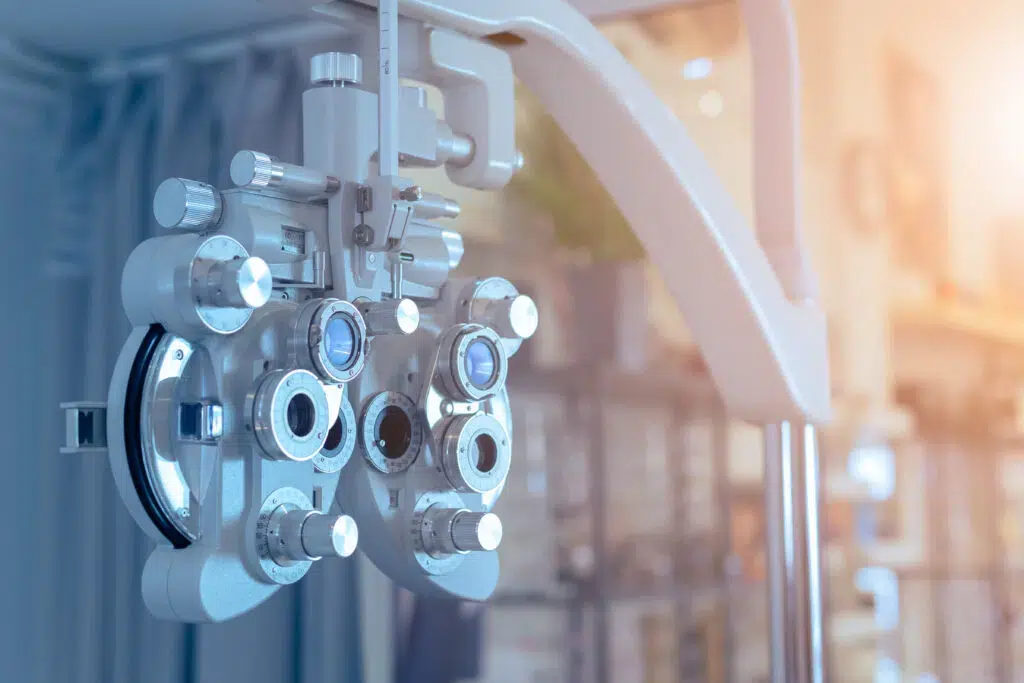
A refraction is the part of the examination where the Doctor determines your best corrected vision. The refraction also determines if there are any eye diseases causing vision loss. Your doctor will ask you to read letters that are up close and far away. Then, they may give you some eye drops to dilate (widen) your pupil and check for other eye problems.
What are the symptoms of refractive errors?
The most common symptom is blurry vision. Other symptoms include:
Double vision
Hazy vision
Seeing a glare or halo around bright lights
Squinting
Headaches
Eye strain (when your eyes feel tired or sore)
Trouble focusing when reading or looking at a computer

Some people may not notice the symptoms of refractive errors. It’s important to get eye exams regularly — so your eye doctor can make sure you’re seeing as clearly as possible. If you wear glasses or contact lenses and still have these symptoms, you might need a new prescription. Talk to your eye doctor and get an eye exam if you are having trouble with your vision.

What are the types of refractive errors
There are 4 common types of refractive errors:
Nearsightedness (myopia) makes far-away objects look blurry
Farsightedness (hyperopia) makes nearby objects look blurry
Astigmatism can make far-away and nearby objects look blurry or distorted
Presbyopia makes it hard for middle-aged and older adults to see things up close
What are refractive errors?
Refractive errors are a type of vision problem that makes it hard to see clearly. They happen when the shape of your eye keeps light from focusing correctly on your retina (a light-sensitive layer of tissue in the back of your eye). Refractive errors are the most common type of vision problem. More than 150 million Americans have a refractive error — but many don’t know that they could be seeing better. That’s why eye exams are so important. If you have a refractive error, your eye doctor can prescribe eyeglasses or contact lenses to help you see clearly.
Does Insurance Cover a Refraction?
A refraction is generally not covered by your insurance, and you will likely be responsible for payment for this service. All medical insurances require us to bill the refraction separately from the medical part of the exam. For example, Medicare does not cover refractions because they consider it to be part of a “routine” exam and Medicare doesn’t cover “routine” procedures – only health related procedures. If you have medical eye problems like cataracts, dry eyes or glaucoma then Medicare and most other health insurances will cover the medical portion of the eye exam but not the refraction.
What does a Refraction Cost?
Effective July 1, 2024, the charge for this service is $60. Payment in full is expected at the time of service.
Source: https://www.nei.nih.gov/learn-about-eye-health/eye-conditions-and-diseases/refractive-errors